Bunny Ear Font for Playful Small Business Branding
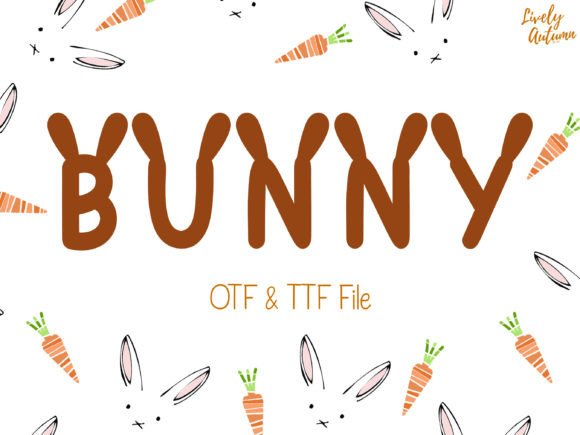
When you run a small business, every visual detail sends a message to your customers. The fonts you choose shape how people perceive your brand before they read a single word. Bunny Ear is a cute display font that has a rabbit ear on each letter, giving your designs a playful, whimsical personality that stands out in a crowded marketplace. Whether you sell handmade children's products, run a cozy bakery, or design custom stationery, this display font brings warmth and character to every customer touchpoint. Using Bunny Ear consistently across your branding helps your business look more intentional, memorable, and trustworthy to the audiences who matter most.
Bunny Ear Font for Kid-Themed Designs and Children's Products
If your business caters to families, teachers, or parents, Bunny Ear instantly signals that your brand is fun, friendly, and safe for little ones. The rabbit ear detailing on each letter creates a sense of playfulness that standard fonts simply cannot match. I have used Bunny Ear on product labels for handmade children's clothing, and the response from customers was immediate. They told me the packaging felt more special and that the font made the brand feel more approachable. For kid-themed designs, this font works beautifully on birthday party invitations, classroom decorations, children's book covers, and toy packaging. The display style ensures that even at small sizes, the rabbit ears remain visible and charming without sacrificing readability. Small business owners selling baby shower supplies, educational games, or personalized kids' gifts will find that Bunny Ear helps their products feel cohesive and thoughtfully designed.
Using Bunny Ear for Posters, Cards, and Customer-Facing Materials
Posters and greeting cards are often the first physical touchpoint a customer has with your brand. Bunny Ear works exceptionally well as a headline font on posters announcing sales, events, or new product launches. The rabbit ear details draw the eye and create a natural focal point that encourages people to stop and read. For greeting cards, this display font adds a handmade feel that customers associate with care and quality. I have designed thank-you cards for my own boutique using Bunny Ear for the main greeting, paired with a clean sans serif for the body text, and the result felt both professional and personal. Small businesses that rely on printed materials such as flyers, event programs, or menu boards will appreciate how Bunny Ear brings a consistent, recognizable look to every piece. The key is to use it strategically as an accent or headline font so that the rabbit ear details remain a delightful surprise rather than an overwhelming pattern.
Bunny Ear for Stickers, Product Labels, and Packaging Design
Stickers and product labels are powerful branding tools because they travel with your customer and get seen by others. Bunny Ear works beautifully on sticker designs because the rabbit ear shapes are inherently memorable and shareable. I have seen small businesses use Bunny Ear on water bottle stickers, laptop decals, and product seals, and the font consistently generates comments and questions from potential customers. For product labels, this font is ideal for categories such as handmade soaps, natural skincare, gourmet food items, and artisanal candles, especially when the brand has a playful or nature-inspired identity. The display nature of Bunny Ear means it works best on labels where the product name is the hero element, supported by simpler fonts for ingredients or instructions. When customers see a product on a shelf, the rabbit ear letters create a sense of whimsy that makes them more likely to pick it up and examine it. That moment of curiosity is exactly what small businesses need to convert a browser into a buyer.
How Bunny Ear Creates Consistent Branding for Small Businesses
Brand consistency builds trust, and Bunny Ear can be the thread that ties your entire visual identity together. When you use this display font across your logo, social media graphics, website headers, and printed materials, customers begin to associate those rabbit ear details with your specific business. I have worked with a small bakery that used Bunny Ear on their storefront sign, cake tags, and Instagram posts, and within a few months, regular customers started referring to it as the bakery with the bunny letters. That kind of brand recognition is invaluable for a small business competing against larger, more generic competitors. To maintain consistency, use Bunny Ear as your primary headline or logo font and pair it with one or two complementary typefaces for body text. This approach ensures that your brand looks cohesive across every platform without feeling repetitive or chaotic. A consistent visual identity also signals professionalism, which helps customers feel confident spending their money with you.
Bunny Ear as a Display Font for Headlines and Logos
Logos and headlines are the most visible elements of your brand, and Bunny Ear excels in both roles. As a display font, it is designed to grab attention, which is exactly what a logo needs to do. The rabbit ear letters are distinctive enough to function as a standalone logo mark, especially for businesses with short names. I have seen entrepreneurs use Bunny Ear as the logo font for children's boutiques, pet product shops, and party planning services, and the results are consistently charming and professional. For website headlines, this font works well on hero banners, sale announcements, and category titles. The key is to keep the surrounding design simple so that the rabbit ear details remain the focal point. Avoid pairing Bunny Ear with other decorative fonts that might compete for attention. Instead, let this playful typeface shine on its own while supporting it with clean, readable fonts for navigation and body content. Small business owners should also consider how the font will appear on mobile screens, where headline space is limited, and Bunny Ear performs well when sized appropriately.
Testing Bunny Ear Across Real Business Touchpoints
Before committing Bunny Ear to your entire brand identity, test it across the actual materials your customers encounter. Print a sample product label, create a social media graphic, and mock up a business card to see how the font performs at different sizes and on different surfaces. Bunny Ear is a display font with intricate details, so it is important to check that the rabbit ears remain clear when printed small or viewed on a phone screen. I recommend printing a test sheet at actual size and holding it at arm's length to simulate how a customer might see it on a shelf or in a store. If the details get lost, consider using Bunny Ear at larger sizes for headlines and switching to a simpler font for smaller text. Testing also helps you decide whether the font fits the emotional tone of your brand. Bunny Ear is inherently playful, so it may not suit a business selling financial services or medical products, but for creative, kid-focused, or lifestyle brands, it can be a perfect fit. Taking the time to test ensures that your investment in this premium font pays off across every customer touchpoint.
Font Pairing Ideas for Bunny Ear in Business Materials
Pairing Bunny Ear with a complementary typeface creates a balanced and professional look for your business materials. Because Bunny Ear is a decorative display font, it pairs best with neutral, highly readable sans serif or serif fonts that do not compete for attention. For a modern, clean look, try pairing Bunny Ear with a minimalist sans serif font such as Montserrat, Open Sans, or Lato. The contrast between the playful rabbit ears and the straightforward sans serif creates visual interest without overwhelming the reader. For a more traditional or elegant feel, consider a serif font like Merriweather or Playfair Display for body text. This combination works well on product packaging, menus, and invitations where you want the headline to feel special while keeping the supporting text easy to read. Avoid pairing Bunny Ear with another script font or handwritten font, as the result can feel cluttered and difficult to read. Instead, let this expressive typeface be the star of your headline and use simpler fonts for everything else. Good font pairing helps your brand look polished and professional, even when using a playful design element like rabbit ear letters.
Commercial Licensing Considerations for Bunny Ear Font
Before using Bunny Ear on any product, packaging, or customer-facing material, it is essential to verify the commercial licensing terms. Many display fonts are available for personal use only, and using them on products you sell or on client projects without proper licensing can lead to legal issues and costly redesigns. When you purchase Bunny Ear for your small business, check whether the license covers packaging design, merchandise, digital downloads, social media graphics, and client work. Some font licenses restrict the number of users or the types of projects allowed, so read the terms carefully before launching your brand materials. I always recommend buying a commercial license directly from the foundry or a trusted marketplace such as Creative Market, Fontspring, or MyFonts. Keeping a copy of your license receipt ensures that you can prove your right to use the font if questions arise. Investing in proper licensing protects your business and supports the designers who create these beautiful design assets. For small business owners, understanding commercial font licensing is a simple but critical step in building a trustworthy and professional brand.